
A Livestream Memento mori: What Alex Honnold’s No-Ropes Skyscraper Climb Can Teach Us About Life (and ancient Rome)
Memento mori…
… is a Latin phrase meaning, “Remember, you will die.” In art, it’s a symbol — like a skull — that reminds us of the inevitability of death in order to simultaneously remind us of the beauty and value of life.
During Roman triumphs, when a victorious general rode through Rome in a chariot, all amid great fanfare, a slave stood behind him and whispered, “Remember, thou art mortal” in his ear. It was meant to remind the great man that, despite the cheers and rose petals and dancing girls, he was no god. A sword, a fall, could kill him as quickly as it could kill any other man.
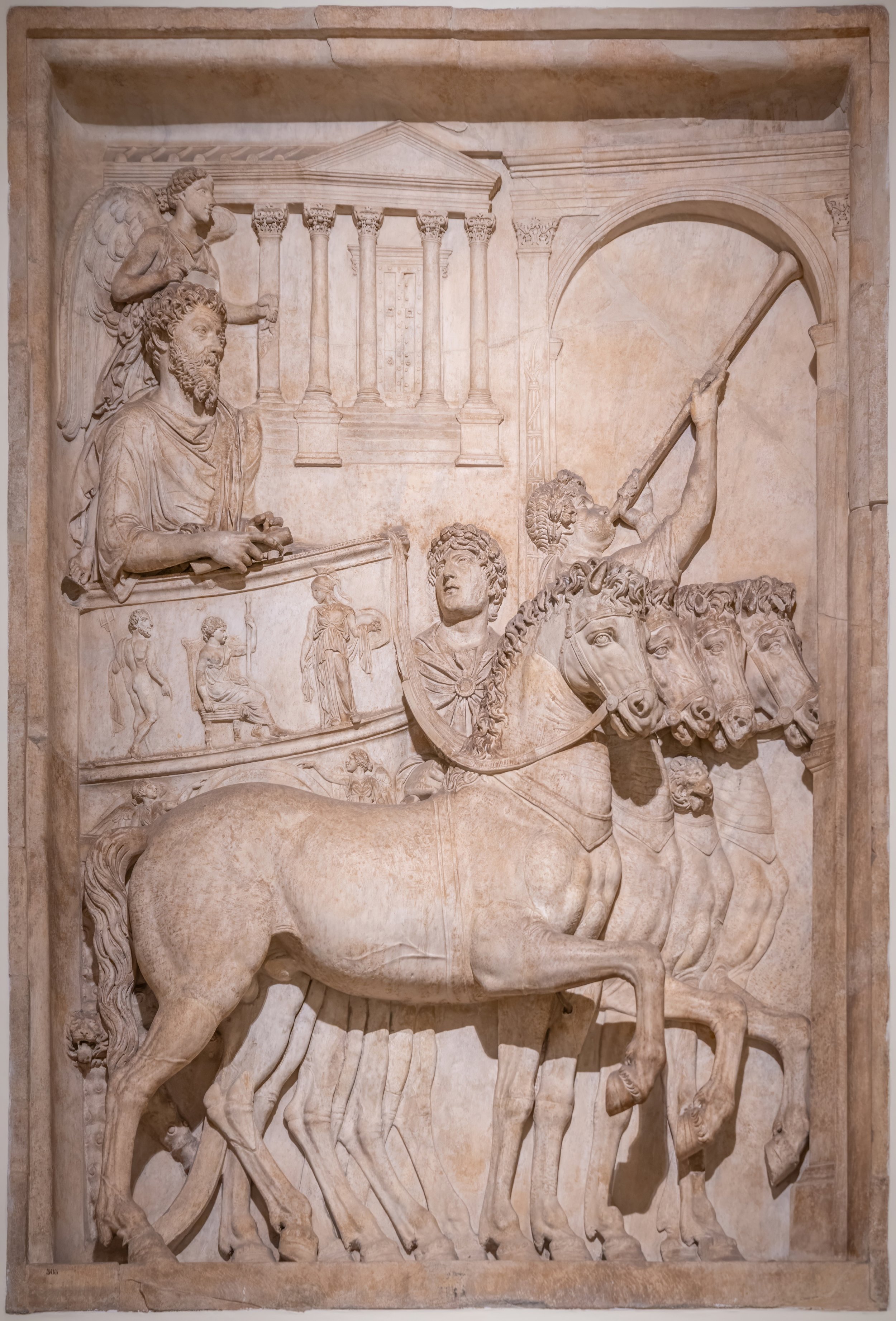
Panel depicting the triumph of Marcus Aurelius
As I tuned in to watch Netflix’s livestream of Alex Honnold climbing the Taipei 101 skyscraper without ropes or safety gear of any kind, I found myself thinking about that. Because to me, that’s what watching this incredible life-or-death feat felt like… a reminder of just how impermanent and fragile life is.
Alex Honnold climbed a 508 meter skyscraper without ropes. That’s climbing half a kilometer, straight up. I haven’t climbed more than my front steps lately, but I know that any muscle cramp, any rogue gust of wind, any split-second mistake, any slippery or loose bit of construction, any intrusive moment of panic, or any distraction from the cameras could have cost the man his life.
The truth is, any of us could die at any moment.
That distracted driver in the oncoming lane, checking their emails instead of watching the road. That little blood clot perched precariously in an artery. It could happen at any moment, and yet we go on. Up and up, day in and day out.
Just like Alex Honnold went up and up.
The surreal blend of extreme vulnerability and methodical decision-making, the repetitive smooth progress interrupted by unusual obstacles and moments of great peril… it might sound a bit fanciful, but it kind of felt like a metaphor for life. We’re all clambering our way upward—perhaps not with Honnold’s skill or grace—but we have aspirations nonetheless. We face dangers along the way. And if we reach the top, there is a great sense of personal accomplishment.
Yet how often do most of us really stop and think “Death could come for me today”? It’s not exactly something most of us want to dwell on. Indeed, one of Prometheus’s gifts to humankind was hope—blind hope, you could say—of the sort that prevented people from thinking about their mortality too much.
But we have to think of it a little, don’t we? If we didn’t know life was impermanent, we wouldn’t value it as much. As the poet William Johnson Cory said, “All beauteous things for which we live By laws of time and space decay. But oh! the very reason why I clasp them, is because they die.”
Life is short. Live it.
In the end, Alex Honnold’s message seems to have been a pretty simple one. Life is short, live it. And as he navigated the dragons on the Taipei skyscraper — don’t we all have to navigate those in one way or another? — with meticulous care and purpose, one heartbeat away from certain death, that message actually meant something.
I’ve seen my share of high-stake stunts over the years. People walking tightropes over waterfalls, jumping motorcycles over canyons, escaping from water boxes. I love daredevil stuff. I admire people with the vision and fortitude to do something different.
Yet none of the extreme feats I’ve seen quite felt like this one. The line, “No room for error” sums it all up. And if you watched the climb, you felt it, too. The reality of death. The fragility of it. The unsettling awareness that Prometheus was keeping something from us… that hard reality check. We’re all going to die.
Mine may be an unpopular opinion in this world—which is at once so fraught with danger and yet so obsessively safety conscious—but I think there is value in that experience. The ancient Romans knew it. Hence those symbols of memento mori.
Is “no ropes TV” today’s version of blood sport?
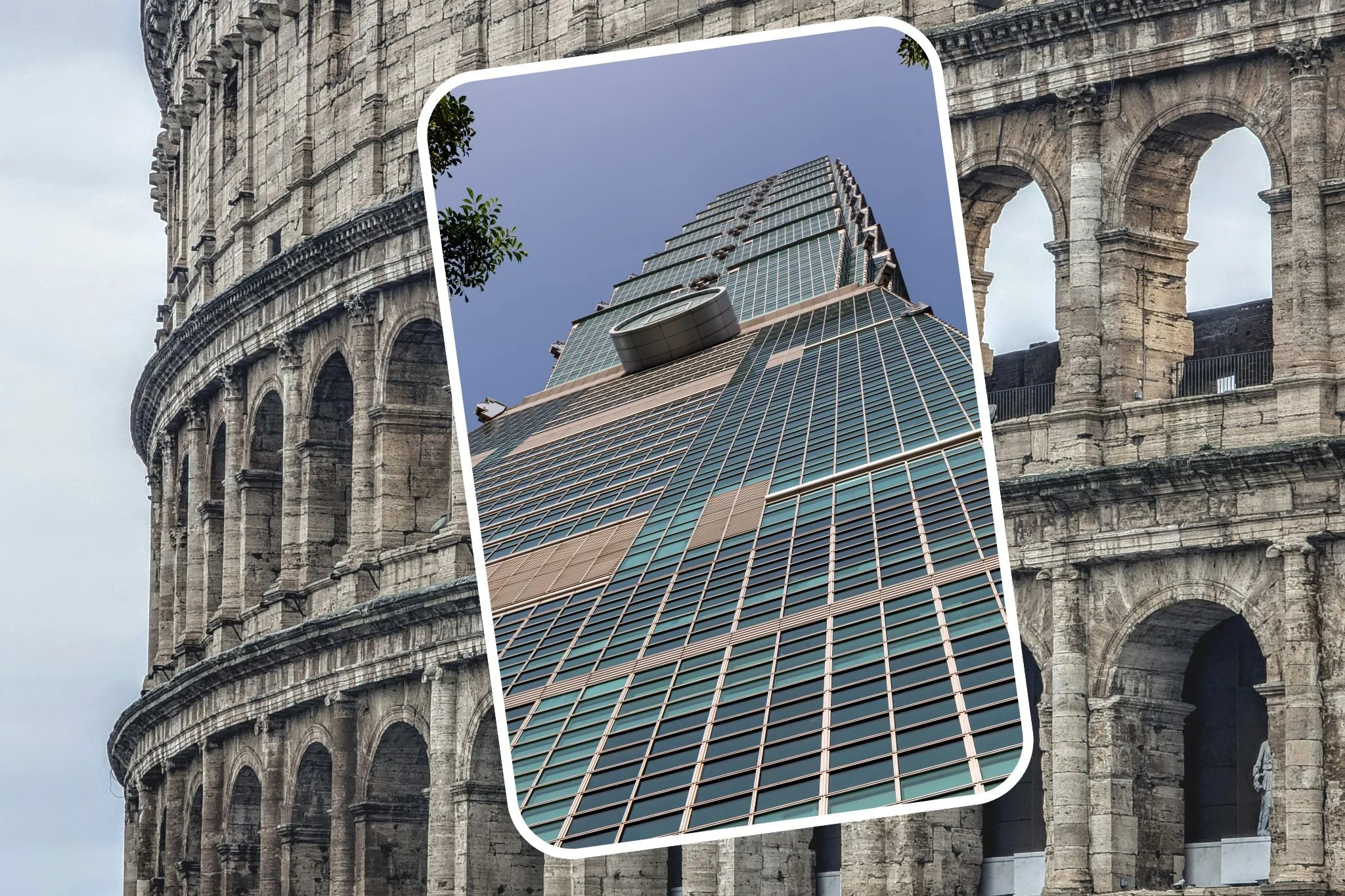
I’ve seen Netflix’s livestream no-ropes skyscraper climb compared to the gladiatorial matches in the Colosseum.
It’s an easy comparison to make. You might say the Taipei 101 is a modern amphitheater, and the life-or-death stakes—which attracted a massive viewership of spectators—brought out the worst in people as they watched to see whether Alex Honnold would live or die.
And you’d be right. And wrong.
I didn’t want Honnold to fall and neither did the vast majority of people. What most people wanted was to be entertained, to peek around the door of death without opening it, and to vicariously experience the fruition of an exceptional dream by someone who has spent most of his life working very hard to accomplish it.
Because that is inspiring. Honnold faced his fears, scaled his obstacles with skill and sheer will, and climbed a skyscraper. And if he can do that, perhaps we can write that book or get that dream job or travel to that foreign country. We know that at any second Honnold could have died… and that reminds us that we can, too. So if death is really that inevitable, if it can really be that sudden and final, then we’d better get off our ass and do the thing we’ve been wanting to do.
I get that a lot of people don’t understand Honnold’s dream. They don’t have to. It’s his dream, his business. I get that a lot of people threw judgment at him, insinuating that he didn’t care about his family. That kind of sanctimoniousness—so typical in today’s world—is loud but ultimately empty.
Alex Honnold was no exploited ill-trained fighter sent to certain death by a lanista. He is a grown man with agency, a professional athlete with an agent, and he had full control over how the no-ropes climb would proceed. And unlike many if not most poor souls who fought in the arena, it was his choice to do what he did.
We all have a choice.
We can have a dream, work toward it, and then take a risk. Or not. Either way, we’re going to die.
Life is short. Life is precarious. We say it so often that it’s trite. But seeing it in action was something else entirely.
To me, the no-ropes skyscraper climb was a modern televised memento mori, and I’m not ashamed to say that I loved every minute of it. Maybe part of me even needed it.